

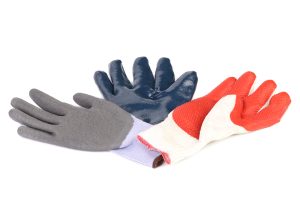
Choosing the best work gloves for construction isn’t about picking the most expensive pair. It’s about choosing gloves that give you the right combination of grip, durability, protection and comfort for the work you actually do.
Construction and groundworks put plenty of wear on gloves. The right pair should give you reliable grip, stand up to regular use and remain comfortable throughout the working day.
This guide explains the main types of work gloves and what each one is best suited to.
The best work gloves for construction need to cope with real site conditions. Depending on the job, you may need good grip, resistance to abrasion, protection from oils or chemicals, extra warmth or greater dexterity.
When choosing work gloves, consider:
✔ Grip — particularly when handling tools, materials or equipment
✔ Durability — gloves need to withstand repeated use
✔ Comfort — a good fit matters when you’re wearing them all day
✔ Dexterity — some jobs need more finger movement and control
✔ Protection — choose gloves suitable for the hazards involved
The right glove isn’t necessarily the thickest or most heavily protected. It is the glove that suits the job.
Different construction jobs place different demands on your hands. Here are some of the main types of work gloves and where they can be useful.
Latex-coated work gloves are a practical choice for many general construction and groundworks tasks.
The textured latex coating provides good grip while the fabric liner allows flexibility for everyday handling.
They can be useful for:
Our latex grip work gloves are available in bulk packs for regular site use.
Nitrile-coated gloves are a useful option when you need good grip combined with resistance to oils and grease.
They are particularly useful for jobs involving machinery, maintenance, oily components or general handling where a durable coating is important.
Look for nitrile gloves when you need:
See our nitrile work gloves for a practical option for regular site and trade use.
PU-coated gloves are lightweight and flexible, making them useful for jobs where you need good finger movement and control.
They can be a good choice for lighter handling tasks, assembly work and jobs where bulky gloves would get in the way.
They offer:
See our PU coated work gloves for the available options.
Working outdoors in winter can make ordinary gloves feel very different. Cold hands can make handling tools and materials uncomfortable, so thermal gloves can be useful when temperatures drop.
Thermal latex gloves combine warmth with a coated palm to help maintain grip during colder working conditions.
See our thermal work gloves for cold-weather site work.
Some construction and trade tasks involve a greater risk of cuts from sharp materials, tools or components.
Where cut protection is required, choose gloves with an appropriate cut resistance rating for the work being carried out.
Our range includes cut-resistant options such as Warrior Cut D Gloves and Warrior Cut F Gloves.
Always consider the actual hazards of the job rather than choosing gloves based on the cut rating alone.
There isn’t one pair of gloves that is perfect for every construction job.
As a starting point:
| Job or requirement | Glove type to consider |
|---|---|
| General construction and groundworks | Latex grip gloves |
| Handling oily or greasy materials | Nitrile gloves |
| Jobs requiring dexterity | PU coated gloves |
| Cold outdoor work | Thermal gloves |
| Tasks involving sharp materials | Cut-resistant gloves |
| Chemicals, oils and extended arm protection | PVC gauntlets |
The conditions, materials and hazards on the job should always determine the type of glove you choose.
Groundworkers and other construction trades can put gloves through some pretty hard use.
Handling blocks, materials, tools and equipment means gloves need to provide dependable grip without becoming uncomfortable after a few hours.
For everyday groundworks and construction, a good grip work glove with a durable coating is often a practical starting point.
For more demanding jobs, you may need a specialist glove for cold conditions, cut protection, oils or other hazards.
Browse our Work Gloves for Construction to see the current range.
Before choosing a pair of work gloves, think about what your hands actually encounter during the working day.
Ask yourself:
Getting these points right is more useful than simply looking for the glove described as the “best”.
For a more detailed explanation, see our guide to How to Choose Work Gloves.
The coating on a work glove has a big effect on how it feels and where it works best.
Latex is useful when you need good grip for general handling and site work.
Nitrile is a useful choice when durability and resistance to oils and grease are important.
PU is lightweight and flexible, making it useful for tasks where dexterity matters.
There isn’t a universal winner. The right choice depends on the job.
For a closer comparison, read our guide to Latex vs Nitrile vs PU Gloves.
Some jobs require more protection than an ordinary coated work glove can provide.
For handling certain chemicals, oils or materials where extended arm protection is useful, a longer glove such as a PVC gauntlet may be more appropriate.
Our Red PVC Gauntlets provide extended coverage up the arm and are designed for applications where this additional protection is useful.
Always check that the glove is suitable for the specific substance and application before use.
Good work gloves don’t need to be complicated.
They need to fit properly, give you the grip you need and provide the right protection for the job.
Whether you’re working on groundworks, general construction, landscaping or maintenance, choosing the right glove can make a long day on site that little bit easier.
We’ve selected our range of work gloves for practical use across construction, groundworks and other trades.
You’ll find options for:
Browse all Work Gloves for Construction
Not sure which type you need? Tell us what you’re doing and we’ll help you work out what makes sense.
The best work gloves depend on the job. Latex grip gloves are a practical choice for many general construction and groundworks tasks, while nitrile, PU, thermal and cut-resistant gloves can be more suitable for specific conditions.
For general groundworks, look for gloves with good grip, durability and a comfortable fit. Latex-coated gloves can be a practical option for handling materials and tools, while specialist gloves may be needed for cold weather, sharp materials or other specific hazards.
Neither is automatically better. Latex-coated gloves can provide excellent grip for general site work, while nitrile-coated gloves can be useful where resistance to oils and grease is important. The best choice depends on the work being carried out.
Grip depends on the glove coating as well as the conditions in which you are working. Textured latex and nitrile coatings can provide good grip for handling tools and materials. The right choice also depends on whether the surface is wet, dry, oily or abrasive.
Thermal work gloves are designed to provide additional warmth while maintaining useful grip. They can be a practical option for outdoor construction and groundworks during colder weather.
Some construction gloves are specifically designed and tested for cut resistance. If the job involves sharp materials or tools, choose a glove with an appropriate cut resistance rating for the hazards involved.
Need help choosing?
Tell us what you’re cutting, carrying, handling or working with, and we’ll help you find a suitable pair.
Call Chris on 07879 653725
Or browse the full range of Work Gloves for Construction.