

Cutting engineering brick is not the same as standard facing brick.
If you treat it the same, you’ll glaze your blade, slow the cut, and waste time.
For a complete overview of tools, blades and material considerations, see our Concrete Cutting Guide.
This guide explains:
If you’re cutting dense block or engineering brick on site, this is what you need to know.

Class B Engineering Brick is:
Typical compressive strength: ≥ 75 N/mm²
Water absorption: ≤ 7%
That density is what causes problems when cutting engineering brick.
These bricks are designed to resist moisture and pressure – which means they resist cutting too.
Because engineering brick is so dense, selecting from a properly specified range of concrete cutting blades makes a significant difference to performance and blade life. A disc designed for general brickwork may struggle under sustained load.
Blade glazing happens when:
With dense materials like engineering brick, a low-quality blade can’t shed its bond layer fast enough.
Instead of cutting, it:
It hasn’t lost its diamonds.
They’re just trapped.
That’s glazing
Dense materials like Class B engineering brick increase the risk of glazing when the bond is too hard for the application. If your blade slows down or begins polishing instead of cutting, read why diamond blades glaze (and how to fix it) before replacing it.
This is where people get caught out.
Engineering brick isn’t always “harder” than concrete – it’s often just denser.
Density (up to 60NM in many dense materials) means:
If the blade isn’t matched to that density, it won’t self-sharpen properly.
That’s why blades designed for “general brick” often struggle.
Blade selection should always be based on material density rather than appearance alone. If you’re unsure how bond hardness and segment design affect cutting speed, our guide on how to choose the right concrete cutting disc explains the key factors to consider.
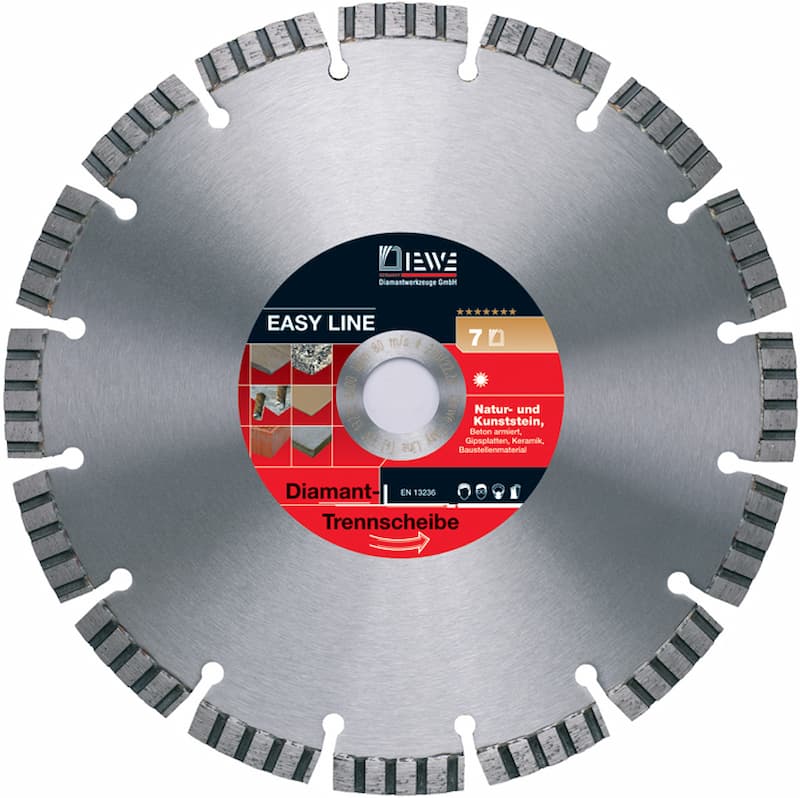
Best for:
Pros:
Best for:
Pros:
If you’re cutting large volumes of Class B engineering brick, a properly specified segmented blade is usually the safer choice.
For occasional grinder work, a high-quality turbo can perform well – if it’s rated for dense materials.
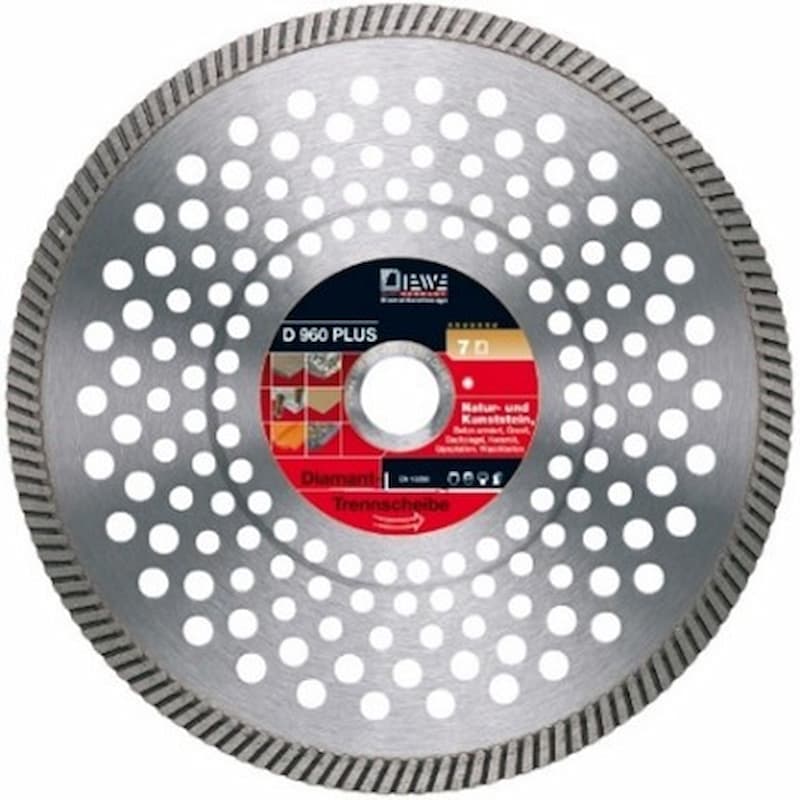
If you’re regularly cutting;
You need a blade designed for dense construction materials – not just “brick”.
For regular cutting of engineering brick and other high-density construction materials, using a blade designed specifically for demanding site work improves consistency and reduces downtime. The Pathfinder concrete cutting disc is built to maintain cutting speed and resist glazing in dense applications.
It’s designed to:
If you are choosing blades or planning a job, these will help:
Engineering brick punishes poor blade choice.
Get the specification right and it cuts cleanly.
Engineering brick is dense, unforgiving material.
Cutting engineering brick can be tough on machinery and blades.
The problem usually isn’t the saw.
It’s the blade match.
Choose a blade rated for dense materials, allow it to self-sharpen properly, and you’ll avoid glazing, slow cuts and wasted time.
If you’re unsure which blade suits your setup, use the Pathfinder specification as your baseline for dense construction cutting.
We’re now on TikTok, join us.