

We’re now on TikTok. Follow to keep up with everything to do with Diamond Cutting Discs.
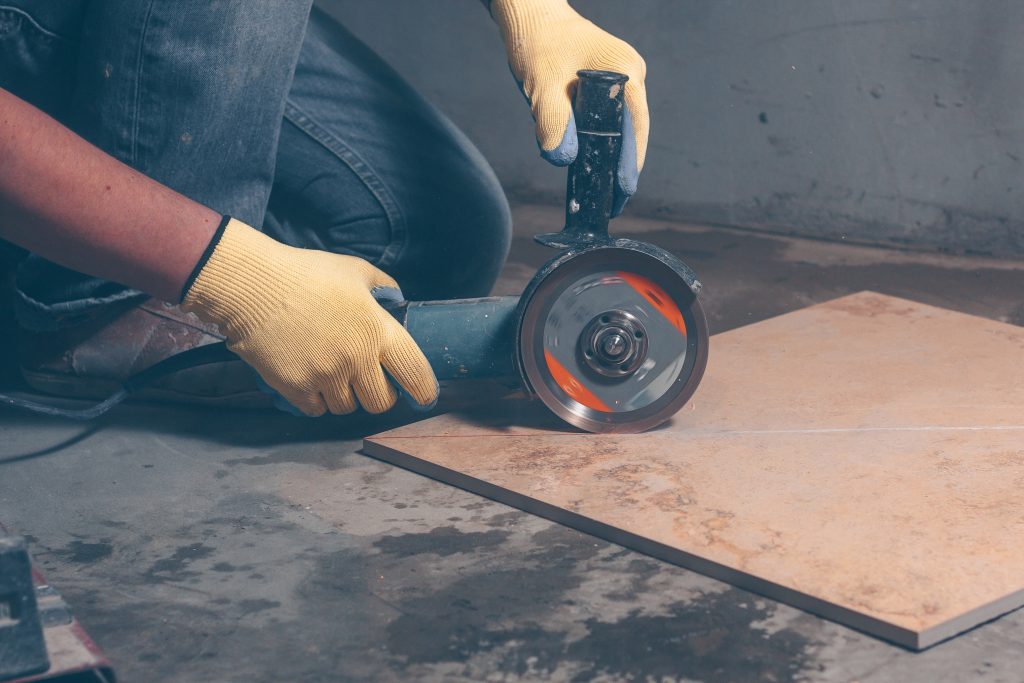
This guide shows you exactly how to cut porcelain tiles without chipping, using the right blade and technique.
Cutting porcelain, ceramic tiles and artificial stone requires the correct tools and the right cutting blade. These materials are often extremely dense and brittle, meaning the wrong blade can cause chipping, slow cutting or poor accuracy.
This guide explains the key factors involved in tile and porcelain cutting, including blade selection, cutting techniques and common mistakes to avoid. Whether you are working with porcelain tiles, ceramics or artificial stone, using the correct blade will make cutting faster, cleaner and more reliable.
You can browse our full range of tile and porcelain cutting blades here.
Not all tiles cut the same way. The density and composition of the material determines how easily it can be cut.
Read How to Cut Without Chipping for more details.
Porcelain is one of the hardest tile materials commonly used in construction. Because of its density, it requires a high quality diamond blade designed specifically for porcelain.
Our Expert tile and porcelain cutting disc is a very reliable option for installers working with hard tiles and porcelain.
Using a general masonry blade can cause:
Ceramic tiles are typically softer than porcelain but still require a suitable diamond blade to achieve a clean finish.
A good tile blade will:
Artificial stone and engineered materials can be very dense and abrasive. These materials require durable diamond blades with strong cutting edges to maintain cutting speed and blade life.
One example is the Titan Flash porcelain cutting blade designed for fast, clean cuts on dense ceramic materials.
The most important factor when cutting tiles is selecting the correct blade.
Diamond blades designed for tile cutting are engineered to:
Turbo diamond blades are particularly effective because they combine cutting speed with smooth cutting performance.
For dense materials such as porcelain and artificial stone, a high-quality diamond blade with a strong cutting edge will give the best results.
Tile cutting blades can often be used either wet or dry depending on the application.
Dry Cutting
Dry cutting is commonly used on site with angle grinders. Modern tile blades are designed to minimise dust while maintaining cutting performance.
Advantages include:
Wet Cutting
Wet cutting is typically used with tile saws where water cools the blade and reduces dust. This method is often preferred for very dense materials or long precision cuts.
Using the wrong blade or technique can cause several problems.
Chipped Edges
Chipping occurs when the blade is not designed for the material or when the cutting speed is incorrect.
Slow Cutting
Slow cutting is often caused by a worn blade or a blade designed for softer materials.
Overheating
Overheating occurs when cutting dense materials with an unsuitable blade or without adequate cooling.
Selecting a blade designed for porcelain and hard ceramics helps avoid these issues.
High quality diamond blades designed specifically for tile and porcelain deliver:
Professional installers rely on blades that maintain consistent performance when cutting dense materials such as porcelain tiles and artificial stone.
You can explore our range of professional tile cutting blades here.
What blade is best for cutting porcelain tiles?
A high quality diamond blade designed for porcelain will give the cleanest and most accurate cuts.
Can you cut porcelain with an angle grinder?
Yes. Angle grinders fitted with a suitable porcelain cutting blade can cut tiles effectively during installation work.
Do tile cutting blades chip porcelain?
A good quality blade designed for porcelain should minimise chipping and produce clean edges.
Is wet cutting better than dry cutting?
Wet cutting reduces dust and heat, but modern tile blades can perform very well in dry cutting applications.